-

A Note on Patterns
Patterns organize implicit knowledge about how people successfully solve recurring problems. Patterns describe solutions that have been successfully applied on numerous occasions; they are not theoretical abstractions created in ivory towers. Christopher Alexander defines a pattern as follows: “Each pattern describes a problem which occurs over and over again in our environment, and then describes…
Articles
-

Teaching to the Test
by Bill Rinko-Gay This blog is a follow-on to the post entitled “Open Book Testing.” If you haven’t already, you may want to read that first. Once you have reviewed all your test stories it’s time to prepare to execute them. A well planned test execution, in conjunction with a well planned code implementation, helps…
-
Open Book Testing
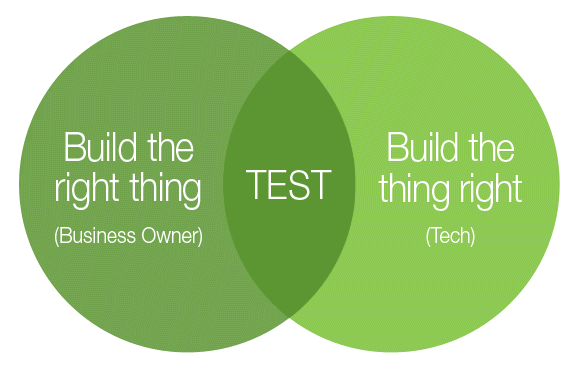
by Bill Rinko-Gay There are two components of quality software: building the right thing and building the thing right. One of the most difficult things to get right is knowing what the right thing is. In non-Agile methods this puts the focus on defining complete and detailed requirements. Experience shows that it is very difficult,…
-

Agile Quality Assurance
by Bill Rinko-Gay When I first started researching Agile Quality Assurance I was told it wasn’t necessary because Agile methods have quality built in. Agile teams developed processes such as Extreme Programming (XP) and Test Driven Development (TDD) to produce quality code in a short amount of time. Because these processes work well, it is…
-

Software Development is not Manufacturing
… Your company likens software development to a production (manufacturing) environment and expects people and processes to reflect the same. ??? A number of organizations use Waterfall based processes for software development that call for all requirements to be gathered at the start of a project. Software project managers and delivery departments (IT) are often…
-
Team Metrics
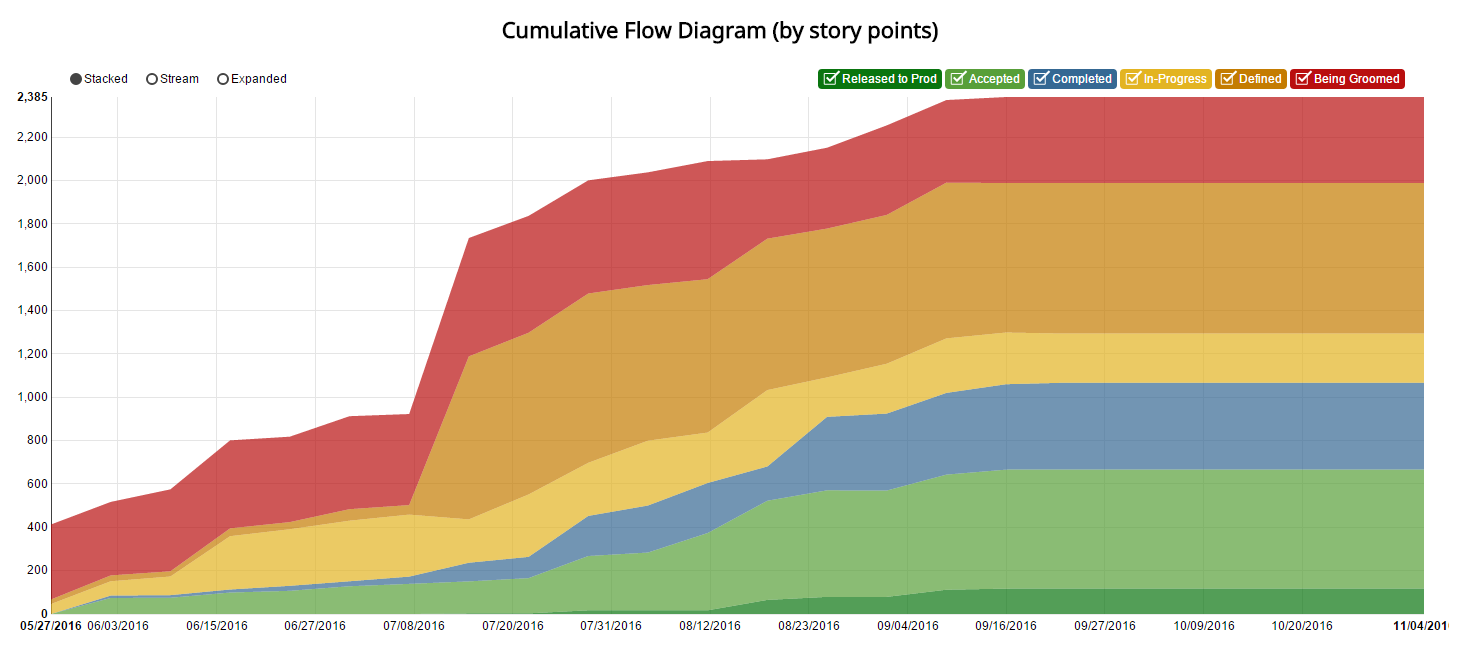
These are questions Agile team members ask every sprint. When a team does a retrospective, the answers to these can be very subjective. The right set of lightweight metrics provides objective, results-driven feedback that focuses the discussion on areas of highest impact. Feedback and Management Tools Here is a set of lightweight metrics that can be…
-
Management Metrics
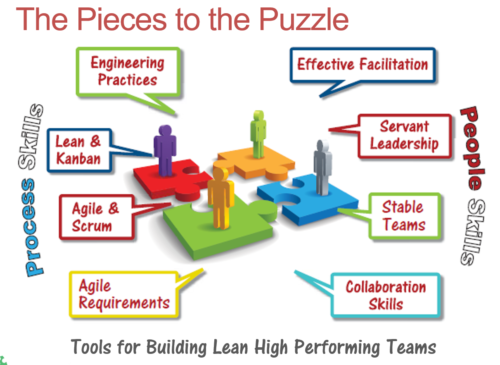
These are questions project and program managers ask every sprint. On Agile projects, the answers are based on the team’s historical achievements and projected forward using recent results. This leads to greater and greater confidence in the information as the project moves towards release dates, and enables the manager to communicate a roadmap with high…
-

Book Content and Layout
As mentioned previously, this blog series will cover the basic patterns only; advanced topics may be addressed in the future.I will cover the basics on the principles and process before discussing the team and technical practices. Lean Software Development will be covered subsequently. The following topics will be covered in the order (more or less)…
-
Efficient Dev-Test
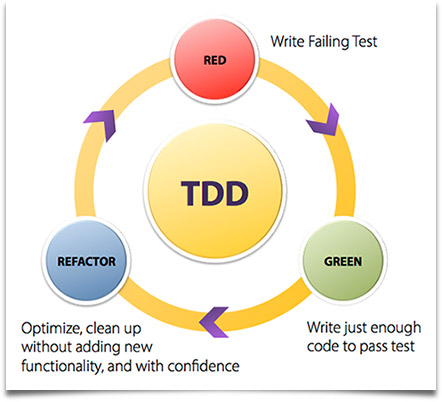
by Bill Rinko-Gay One of the advantages of Agile is the ability to deliver continuous improvements to your customer. If you have experience in traditional development paradigms you a release is usually a mixed bag filled with new functionality and new (and sometimes old) defects. This is frustrating for users and the development team. You…
-
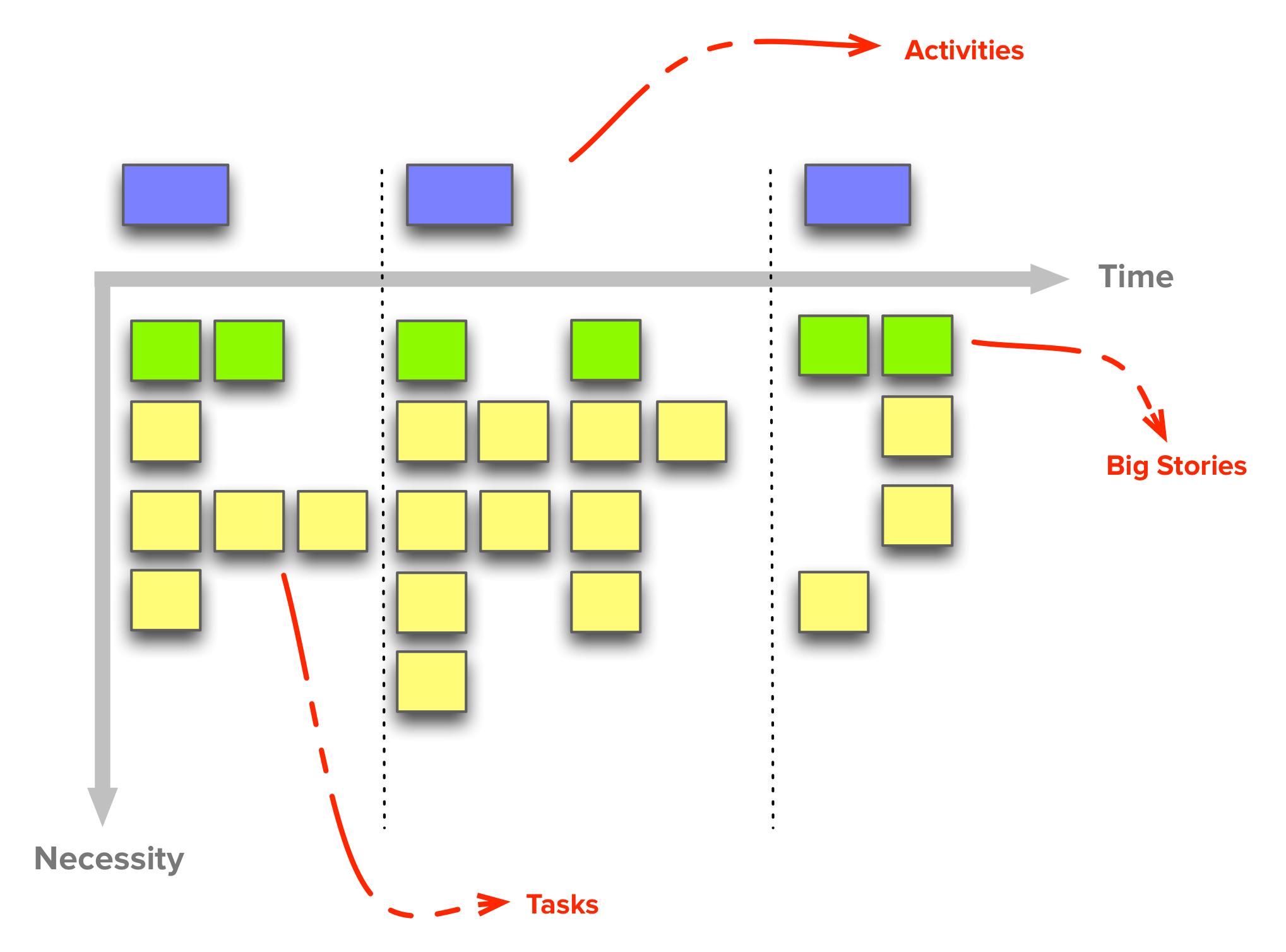
Functional Grouping
by Bill Rinko-Gay Now that your stories are chosen and the iteration has been kicked off, is there any reason not to have developers simply start in as quickly as they can on writing the code for the stories? I believe there are 3 reasons to set up a plan for delivering groups of stories…