-

Leadership? Followership? What about Membership?
Researching leadership for a book I recently interviewed a Scrum Master who had done their thesis on Integral Leadership. When I asked about their ideas on leadership their immediate reply was, “We don’t talk enough about followership.” They then proceeded to spend the next 40 minutes talking about leadership. In their defense I didn’t ask…
Articles
-
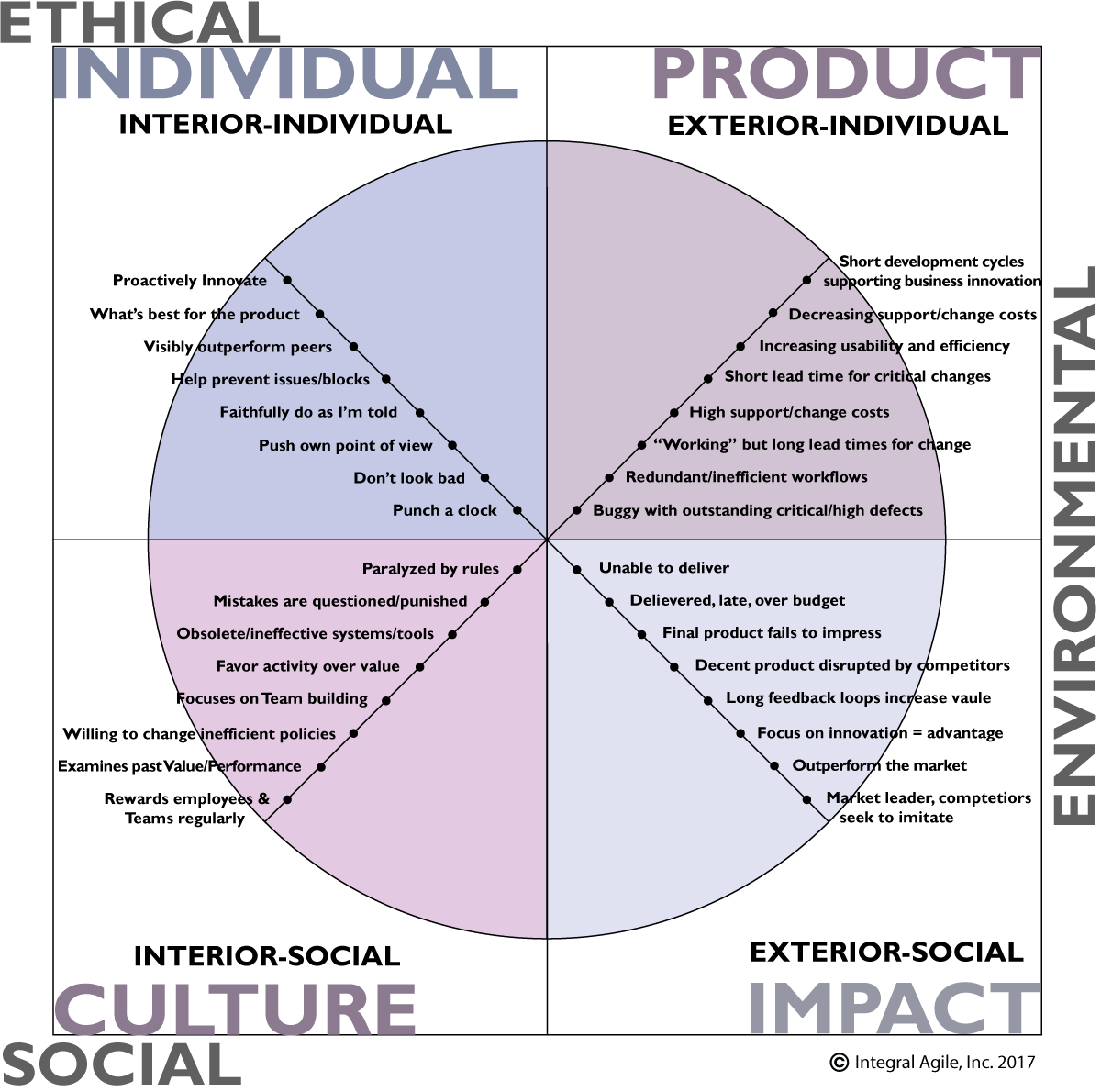
WHAT IS INTEGRAL AGILE?
Anyone who has created a truly Agile result at any level of any organization can speak to the elegance of how everything fits together, how information flows, and the way in which actions taken at the smallest task level both impact and are directly informed by everything taking place at larger or higher levels. The…
-

Estimating the Business Value of Stories
The business value of a product is defined by the product owner as part of the process of developing the product vision and initial product roadmap.Business value is very specific to the type of product being developed but examples may include: A key principal of agile is maximizing the delivery of business value in every…
-

What is VALUE?
This next series of posts will talk about what we mean by “Value,” and how we know whether we are delivering it. If you ask anyone you work with if they think they are delivering value to the business or to their product, they will most likely say “yes” (if they say “no” you probably…
-
What is a Definition of DONE, and why do we need one?
The goal of the Definition of DONE agreement is many fold, and it exists not only to create a standard by which teams can operate so that they can feel confident that when someone says, “I’m DONE!” they know precisely what that means, but also to ensure that all involved stakeholders understand when, why, and…
-
SPRINT/ITERATION REVIEW
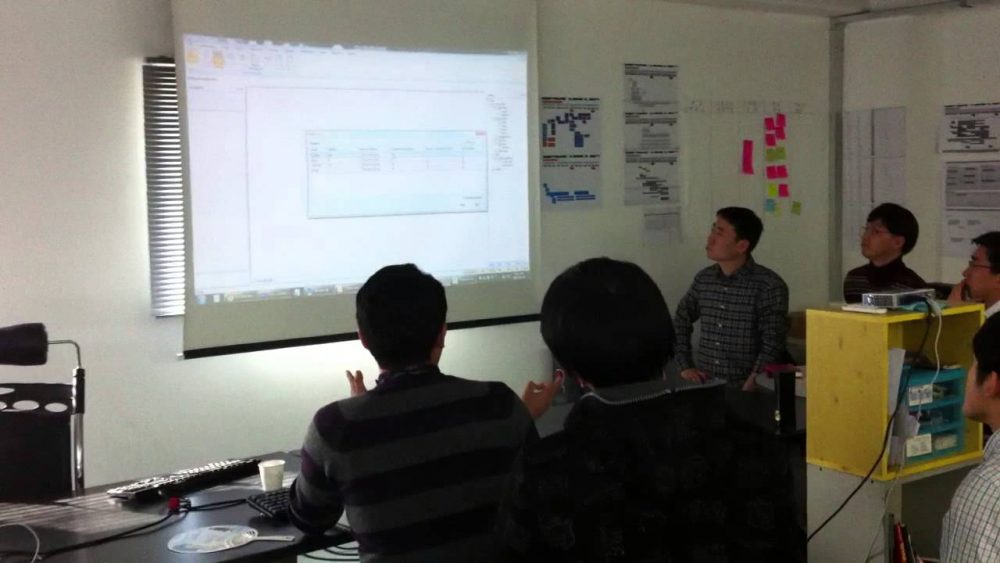
In order for the team to review the work done in the previous Sprint/Iteration, a Sprint/Iteration Review is held. Note that this is not the occasion for the team to present the work to the Product Owner. This Review meeting should be scheduled for the first available time slot after the end of the previous…
-
THE SPRINT DEMO
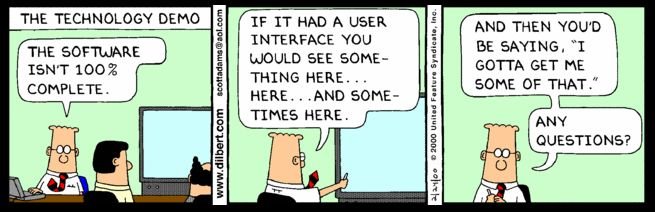
At the end of each Sprint/Iteration, a Demo meeting is held where the Team shows what they accomplished during the past 2 weeks. Given that Agile is an empirical process, and the goal of every Sprint is to product Potentially Shippable Software, only work that meets the Definition of DONE is demonstrated at the end…
-
BEST PRACTICES FOR DEFINING USER STORIES
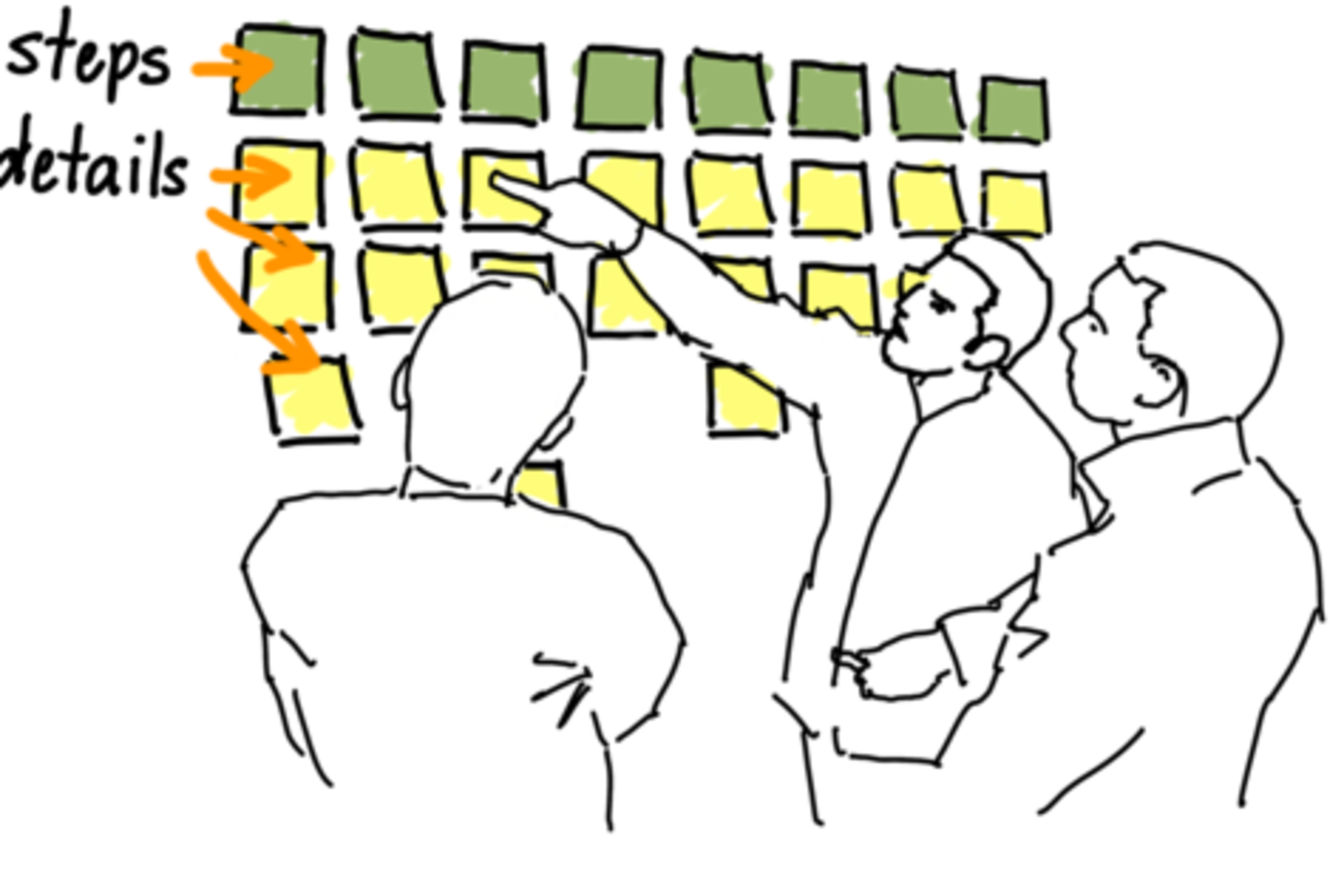
Many new agile teams attempt to create stories by architectural layer: one story for the UI, another for the database, etc. This may satisfy Small requirement, but it fails at Independent and Valuable (as part of the Bill Wake’s INVEST model). Typically, large User Stories can be split using several of patterns. Here are two…
-

USER STORIES
These next couple of posts will take things down to the most basic of Agile requirements: the User Story. A User Story is a tool used in the Agile development methodology to capture a description of functionality from an end-user perspective. The user story describes the type of user, what they want and why. It…
-

Empirical Management
Aliases: Adaptive Management … Your company has been using a traditional approach to management of engineering projects. Now, senior management wants to change how they manage and execute projects so that they can better deliver software – faster and cheaper. ??? A number of organizations use traditional approaches (Linear Sequential Model or Waterfall based processes)…